Frequently Asked Questions
WHY DOESN'T THE CITY OF LAWRENCE CURRENTLY PROVIDE A CURBSIDE RECYCLING SERVICE TO RESIDENTS?
Since 1992, the Solid Waste Division continues a targeted approach to reducing materials from the waste stream, based on a waste characterization analysis. Using this strategy, the City has achieved a 34 percent recycling rate in 2004, which is likely the highest in the state, is higher than the national average, and higher than most communities which have more expensive curbside recycling programs.
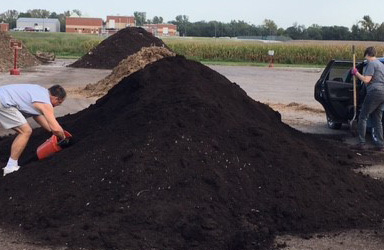
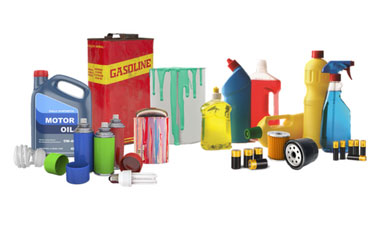
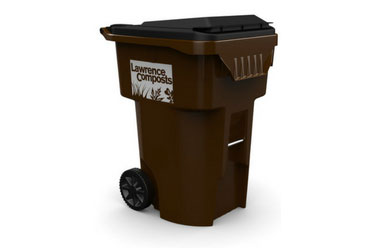
The targeted recycling programs in place include a weekly yard waste collection (30% of the residential waste stream), collection of old newspapers (15% of the residential waste stream) via conveniently-located drop boxes throughout town, and collection of corrugated cardboard (27% of the commercial waste stream) from businesses Monday through Friday. The Division has also developed programs which remove hazardous wastes and other special wastes, such as tires, refrigerators, metal salvage, batteries, and used oil from the waste stream. These targeted programs are very cost-efficient at collecting large amounts of recyclable material and help us achieve our goal of diverting large quantities of waste from the waste stream.
Periodically, the Solid Waste Division evaluates the potential for increasing recycling and waste reduction, including the feasibility of establishing curbside collection of recyclables. This analysis includes assessing the issues related to curbside programs, collection, processing, markets, transportation to markets, and recycling program costs. It reviews City administered recycling programs and private recycling initiatives. The evaluation of curbside recycling reviews additional recovery materials, implementation, program, cost, and benefits.
Disposal Costs
Lawrence has low landfill disposal fees (19.15/ton) and a nearby landfill (Hamm Sanitary Landfill) with a projected life span of 170 years. Consequently, Lawrence does not suffer from the same hardships of many cities throughout the nation, specifically scarce disposal space and high disposal costs.
Markets
Available markets are one of the keys to a successful recycling program. The markets for paper goods have remained fairly strong for years with only occasional serious downturns. Currently, we ship our baled newspaper and cardboard to end markets in Kansas and Oklahoma. Markets also exist for compost and metals that the city collects and processes.
The markets for plastic (PET and HDPE) and glass are less optimistic for this part of the country. Most plastic markets are located near the coasts. Because of plastics' light weight and low value, it does not bear the cost of transportation to distant markets. Glass also has a very low value. The value of glass is so low that transportation even relatively short distances can cost more than the benefits gained from recycling glass, even after the energy savings are added in. In practice, most recycling programs experience high negative costs for the recycling of glass and plastics.Costs of Curbside Recycling Program
A curbside recycling program would have to be phased in over a period of time. A Materials Recovery Facility (MRF) would have to be funded, sited, built, equipped and staffed before curbside collection could begin. It is estimated that a curbside recycling program would add no more than 3.5 percentage points to the City's recycling rate. Therefore, at a maximum, one could expect the recycling rate to only increase from 34 percent to 37.5 percent because much of what would be picked up curbside is already collected through existing programs, and because plastic items (although a high volume material) are very light in weight.
Based on our most current analysis (2004), the cost per household would be an estimated additional $11.24 per month for the first seven years in current dollars assuming the program was mandatory for single-family households. Biweekly collection (every other week) would reduce the costs resulting in an estimated $7.59 per month in current dollars. The main benefit from having a curbside collection program for recyclables would be the convenience the program would provide to residents. The overall increase in the recycling rate would be very small and at considerable cost. Another benefit would be the creation of new jobs (approximately 20 positions with once per week collection and 14 positions with biweekly collection) and these would be funded through the City budget.
Summary
Because of these economic, environmental and market conditions, the city's Solid Waste Division has recommended that the current recycling programs be continued and expanded upon:
The Solid Waste Division believes that our current approach realizes the greatest gains while expending the least resources to achieve meaningful and sustainable recycling programs that significantly divert waste from disposal.
To veiw the most recent Solid Waste Division evaluation of the potential for increased recycling and waste reduction within the City of Lawrence, including the feasibility of establishing curbside collection of recyclables, click here.
Click here to view the list of private providers of curbside recycling in Lawrence.